

08, Oct 2025
Open Cart vs Shopify: Which Ecommerce Platform is Better?
.webp)
You may be unsure whether to choose OpenCart or Shopify for your e-commerce store. There are many strengths and weaknesses between both e-commerce platforms. A clear understanding of each will help you select the right option. Most small and large businesses need more knowledge about OpenCart and Shopify. They just have superficial details that result in choosing the unsuitable platform.
If you wonder how to choose between OpenCart and Shopify, this guide will resolve your concerns about OpenCart vs. Shopify. Keep reading to learn about which ecommerce platform is better for you. Here, we go!
What is Opencart?
OpenCart is a widely known open-source e-commerce platform. Online businesses and entrepreneurs use it to build powerful small stores and large-scale ecommerce sites. OpenCart is free-to-download software that currently has over 463,000 customers worldwide. However, you need to pay for other costs such as web hosting, a domain name, and making your website live for your audience.
OpenCart is an online management system tool suitable for small and large businesses. Most professionals find this ecommerce platform budget-friendly for building their online solutions. Currently, it has more than 13,000 extensions that enable you to create a fully functional e-commerce website. You can integrate many features and functionalities to make your e-commerce store accessible and functional for your audience.
For additional customization in OpenCart, you must learn coding skills and understand PHP computer language. But to avoid that, you can hire the best OpenCart web development company to build your website.
What is Shopify?
Shopfiy is one of the biggest names in the e-commerce business. Currently, the platform has over 4 million customers worldwide. The platform provides a user-friendly interface that makes it ideal for novice and experienced users. Shopify is an excellent solution for small and medium-sized businesses that want outstanding scalability in their e-commerce stores.
Shopify is hosted in the cloud. That means you don’t need to worry about technical issues. The platform usually handles the setup, operation, and maintenance. Shopify provides omnidirectional facilities to promote your products on social media platforms including Facebook, Instagram, YouTube, and more.
Shopify is easy to use, but you need to hire a dedicated Shopify development company for a unique and fully optimized online store. Their professional team will help you meet your custom needs.
OpenCart vs Shopify: Which Ecommerce Platform is Better?
OpenCart and Shopify, both platforms have many advantages and disadvantages. Below we have taken some of the most crucial features of OpenCart and Shoipfiy to understand which ecommerce platform is better for your requirements and your unique concerns:
Pricing: Shopify Wins
One of the significant advantages of Opencart is that it is free to download and install. However, you must pay for its additional services, such as hosting, a domain name, and an SSL certificate.
- Hosting service: $5–$100 per month.
- Domain name: $10–15 per year.
- SSL certificate: starting at $50 per year.
- Potential transaction fees.
On the other hand, Shopify provides many price packages for its users. Each offers features for different business needs. The good thing about Shopify is that you do not need to pay additional fees for hosting, SSL, and the Shopify app store. Everything is included in its packages.
- Starter (for social commerce or link in bio): $5/month
- Shopify Basic (for a new business): $39/month ($29/month if paid annually)
- Shopify plan (for a growing business): $109/month ($79/month if paid annually)
- Advanced Shopify (for large-scale business): $399/month ($399/month if paid annually)
- Shopify Plus: Start at $2,300/month for a 3-year contract.
Overall, when it comes to the pricing of both platforms, Shopify provides more flexible and cost-effective packages targeted at different businesses' needs. OpenCart may have low prices, but extra costs like hosting and other hidden fees can add to your expenses.
Ease of Use: Shopify Wins
OpenCart is a user-friendly store where you can set up your products easily. However the only thing that can become a hurdle for novice users is that it requires coding skills to perform some important steps, including hosting, creating a database, and more.
With Shopify, you can easily create and add products to your website. The platform provides access to most of the features and functionalities without any coding skills. Shopify dashboard makes it easy to add, edit and update everything seamlessly.
Design & Themes: OpenCart Wins
Talking about designing capabilities, both ecommerce solutions offer many features.
OpenCart offers a rich collection of more than 500 free and paid templates. These modern-looking and attractive templates are suitable for sports, healthcare, crypto mining, and other types of businesses. Opencart web development offers plugin support and a better page builder to enhance your website. If you are comfortable with programming languages like HTML, CSS, or PHP, you can easily edit the design.
Shopify provides over 200+ free and premium templates. That looks professional and eye-catching for users. You can use these templates to build your ecommerce platform. These templates are easily customizable by using a line of code. Its drag-and-drop feature makes it easy to use the different elements including product images, text boxes, banners, and call-to-action buttons.
SEO: OpenCart Wins
SEO is essential to rank your website or store higher in search engines.
OpenCart provides a better level of control over SEO elements. You can customize your meta titles, descriptions, URLs, and other on-page factors. The ecommerce solution provides a keyword tracking tool that helps users see the performance of their keywords. Furthermore, OpenCart allows users for SEO audits and other technical aspects necessary for better SEO performance. Shopify comes with many built-in SEO features. Users can control SEO features such as URL editing, automatic sitemap generation and customizable meta tags. Shopify provides features necessary for beginners and provides base SEO settings.
Security: Shopify Wins
Security is an important concern when building an online platform.When turning to OpenCart, you cannot expect a high level of security for it. This e-commerce solution does not provide prebuilt security capabilities. Therefore, for that matter, you need to seek help from other tools and complete several tasks on your hands in order to protect your shop.
On the contrary, Shopify is an advanced platform in terms of security and safety. It provides many features to their users to protect their stores. It has a fraud protection system that alerts you to potential risks. It offers SSL encryption, PCI compliance, two-factor authentication, safe and secure payment.
Support: Shopify Wins
OpenCart provides all the basic support you need to run your online store effortlessly. It features a support ticket that helps users submit their queries and questions. OpenCart web development provides community support, and enterprise support.
On the other hand, Shopify gives its customers complete holistic support. Its top support includes 24/7 phone support and live chat support, Social media support, Community forum, Email support, Help Center and more. So in terms of support shopify won the race.
The Final Words
As we compared OpenCart and Shopify. If you are unhappy with your current tool, moving forward to OpenCart or Shopify will be a good decision for you. However, before turning to either option, you can prioritize the features and facilitates that you want to prioritize in your e-commerce platforms. You also need to consider e-commerce platforms and more.
Table of Contents
What is Opencart?
What is Shopify?
OpenCart vs Shopify: Which Ecommerce Platform is Better?
Pricing: Shopify Wins
Ease of Use: Shopify Wins
Design & Themes: OpenCart Wins
SEO: OpenCart Wins
Security: Shopify Wins
Support: Shopify Wins
The Final Words
Latest Blogs
A Complete Guide to Shopify Agentic Commerce in 2026 for Online Brands
Top 7 Website Design Trends in 2026 Every Business Should Know
Mastering AI SEO: Your Comprehensive Guide for 2026
100+ Best Instagram Bio Ideas for 2026: Boost Your IG Profile
List of Top 500 Most Popular Websites on the Internet
Categories
Related Blogs

06, Mar 2025
Shopify vs. Shopify Plus: Which One is Best?

25, Oct 2024
Best Shopify Plugins and Extensions for Your Website
04, Jul 2024
WooCommerce vs Shopify: Which eCommerce Platform is Best For Your Business?

24, Apr 2020
Top 6 Payment Gateways for Online Businesses in India
10, Feb 2018
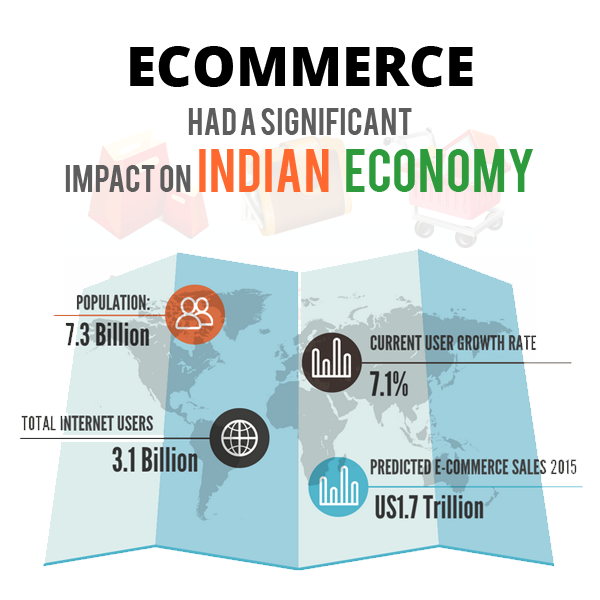
Ecommerce: Had a Significant Impact on Indian Economy
20, Jan 2018
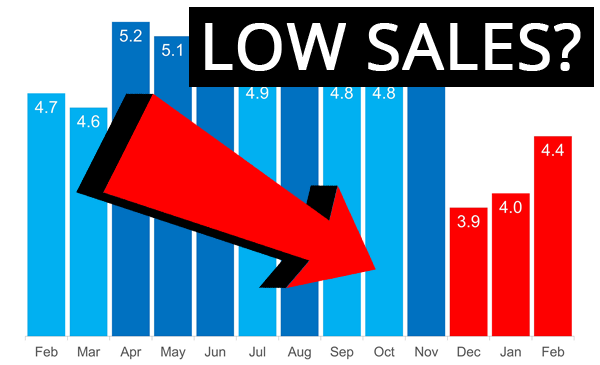
Low Sales? You are Making These 5 Common ECommerce Mistakes
13, Dec 2017
How Much Does It Cost To Build An eCommerce Website
26, Jul 2017
How WooCommerce WordPress Plugin Helps in Ecommerce Website Development
23, May 2017


